 HU
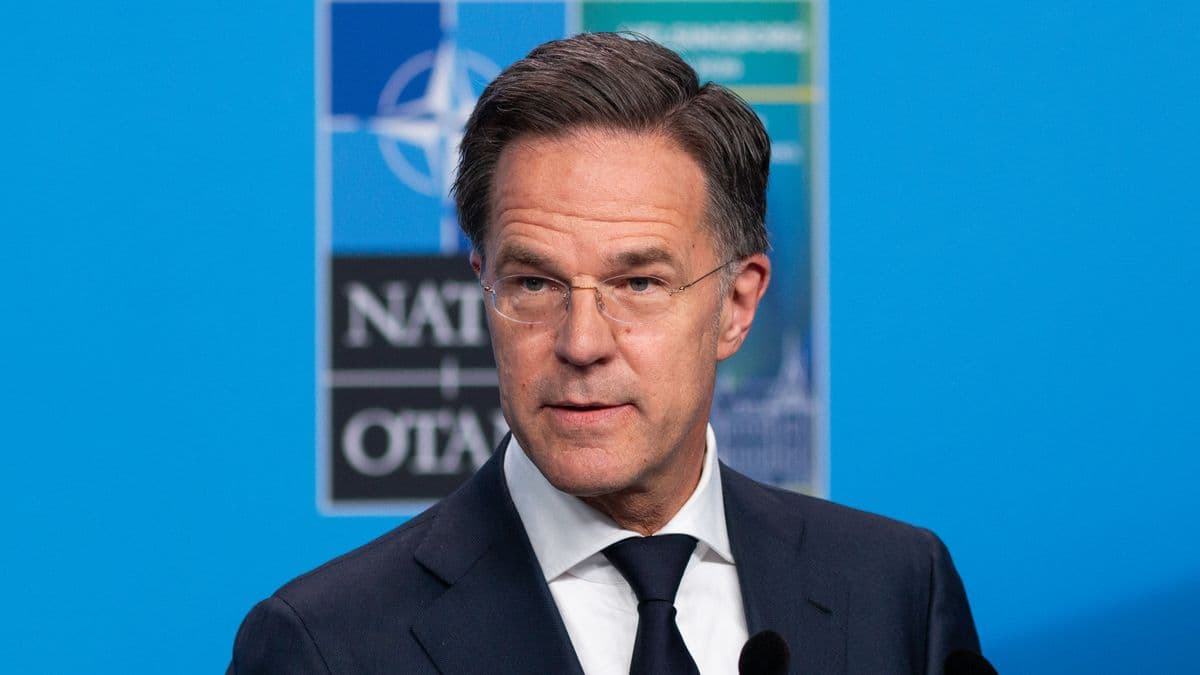
HUThe article discusses structural weaknesses within NATO, highlighting logistical and industrial shortcomings in European defense production. It notes that European countries lack sufficient military capacity to meet modern warfare demands, with empty stockpiles and delayed production due to bureaucracy and capital shortages. The article also points out fragmented military technology across member states, which hinders cooperation during conflicts. Additionally, it criticizes the veto power and consensus requirements that slow down political decision-making, using examples like Turkey andHungry
Bias read (Center): The article presents a factual analysis of NATO's structural challenges without overt ideological framing. It highlights technical and logistical issues without taking a clear stance on political blame or solutions.