
ON
← Back to feed
United StatesCulture2 days ago

Review: The Short Life of a Formerly Enslaved Poet

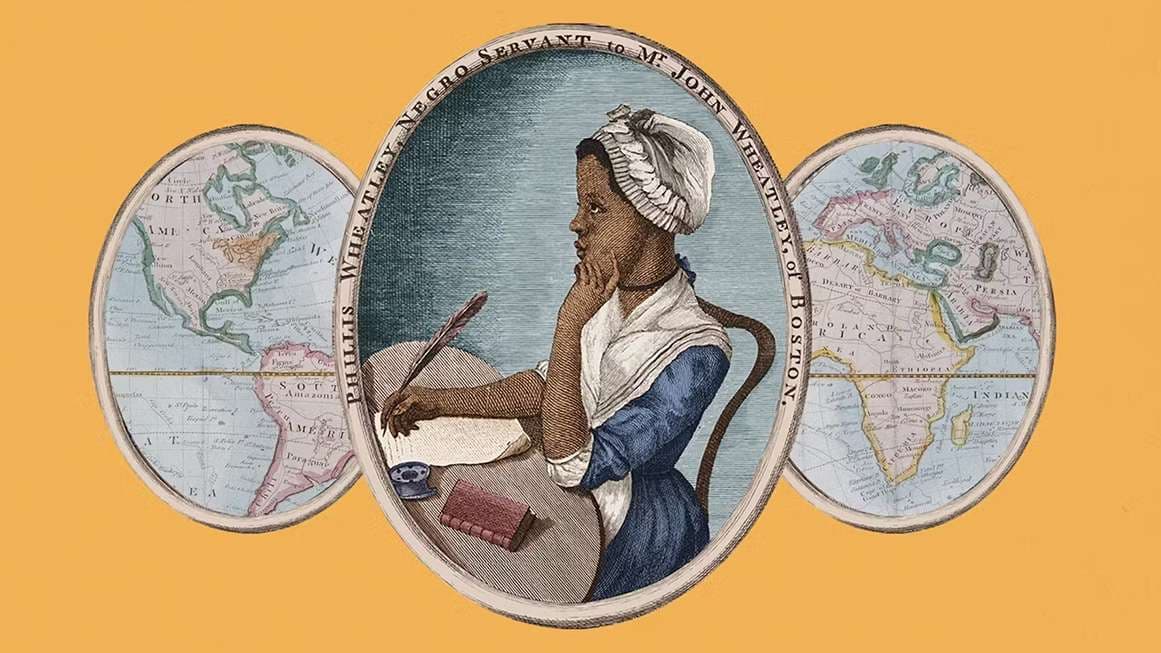
The article reviews historian David Waldstreicher's book about Phillis Wheatley, an enslaved African girl brought to America at age 7 who became a prominent poet and advocate for freedom. It highlights her agency, her interactions with historical figures like George Washington and Thomas Jefferson, and contrasts her portrayal with the traditional narrative of her being a passive genius under the control of her enslavers.

Brought from Africa at age 7, Phillis Wheatley demanded and received emancipation shortly after the publication of her first book of poems in 1773. "In every human Breast," she wrote in a letter at the time, "God has implanted a Principle, which we call Love of Freedom."

In  The Odyssey of Phillis Wheatley: A Poet's Journeys Through American Slavery and Independence , historian David Waldstreicher paints a portrait of a woman bursting with agency—a very different character than the naive genius discovered and elevated by her patrons (and enslavers) whom I learned about in school.

"I humbly think it does not require the Penetration of a Philosopher," Wheatley wryly noted, to see hypocrisy in the slave-holding Founders. In her short, colorful life, she offered her blessing to George Washington, was rudely dismissed by Thomas Jefferson, and generally held her own as the new nation's "African poetess" and public intellectual.

Read the full article at Reason

1 reports

ReasonIndependentCenter2 days ago
Review: The Short Life of a Formerly Enslaved Poet

The article reviews historian David Waldstreicher's book about Phillis Wheatley, an enslaved African girl brought to America at age 7 who became a prominent poet and advocate for freedom. It highlights her agency, her interactions with historical figures like George Washington and Thomas Jefferson, and contrasts her portrayal with the traditional narrative of her being a passive genius under the control of her enslavers.

Bias read (Center): The article provides a balanced review of a historical figure and her work without overt ideological framing. It focuses on cultural and historical analysis rather than contemporary political issues.